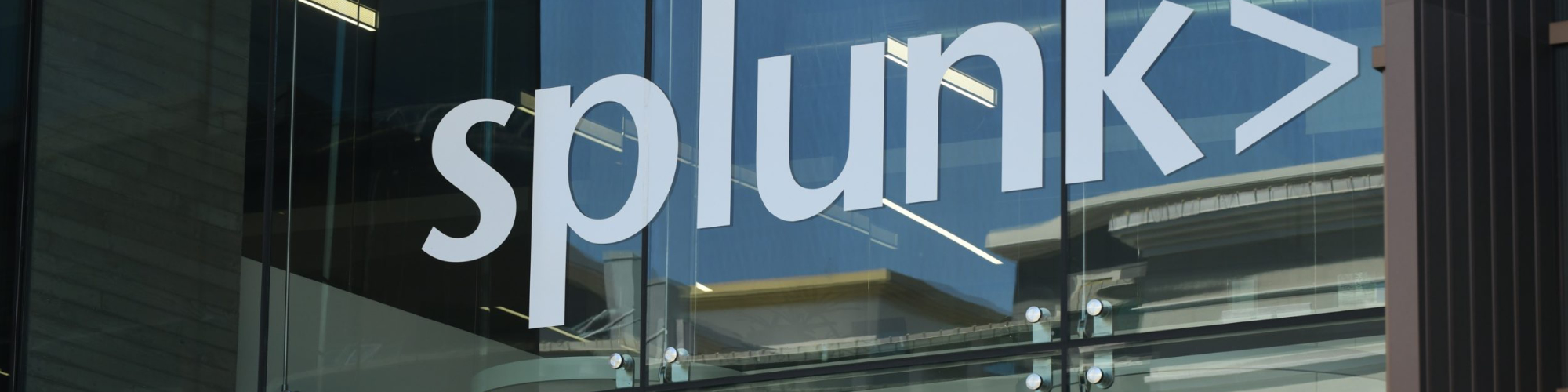
Storefront Signage in the Bay Area
Your storefront is the first thing a customer sees before they ever walk through your door. For Bay Area businesses competing in dense retail corridors, mixed-use developments, and high-foot-traffic neighborhoods, storefront signage is not a detail to finalize at the end of a build-out. It is a strategic decision that shapes how your business is perceived, discovered, and remembered.
At BLR Visual Communications, we design, fabricate, and install custom storefront signage for businesses throughout the Bay Area. Every project starts with your brand and ends with a sign that is built to perform in the real world, not just look good in a rendering.
What is Storefront Signage?
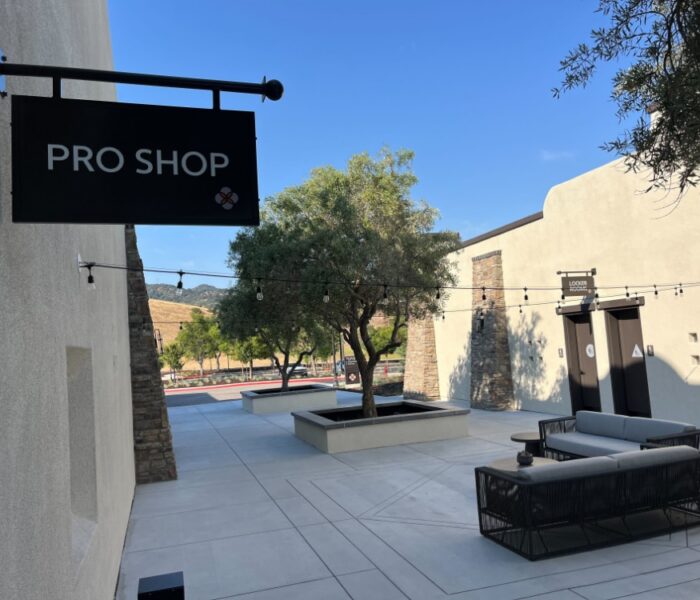
Storefront signage refers to the exterior-facing signs mounted on or near a building that identify a business, communicate its brand, and guide customers to its entrance. This category includes building-mounted signs, channel letters, illuminated cabinet signs, blade signs, window graphics, and dimensional lettering, among others. The right format depends on the building type, lease terms, neighborhood character, and what the business needs the sign to accomplish.
Unlike pylon or monument signs positioned at a distance, storefront signage works up close. It speaks directly to the pedestrian on the sidewalk, the driver slowing to find parking, and the customer deciding between your entrance and the one next door. That proximity makes quality and clarity non-negotiable. Research consistently shows that the majority of consumers are influenced to enter a business based on its signage, and that a significant portion would not visit a business that lacked clear, professional exterior identification. For businesses in the Bay Area, where foot traffic, competition, and brand expectations are all high, signage for storefront placement carries real weight.
Who Uses Storefront Signage
Almost every business with a physical location has a storefront signage need. The challenge is not whether you need a sign. It is making sure the sign you have actually does what it should. Common applications include:
• Retail shops and boutiques: Establish a clear visual identity at street level and attract passersby who were not already looking for you
• Restaurants and cafes: Set the tone before a guest walks in, signal hours, and reinforce brand personality from the curb
• Salons, spas, and fitness studios: Create a welcoming presence in competitive strip centers or urban storefronts
• Medical, dental, and professional offices: Communicate credibility and make locations easy to find in multi-suite buildings
• Banks and financial services: Support brand consistency and maintain visibility in branch-heavy environments
• Service businesses and specialty retailers: Differentiate from neighbors and turn passing foot traffic into first-time customers
What each of these has in common is that a customer is making a quick judgment. Your storefront signage shapes that judgment before any conversation takes place.
Types of Storefront Signage:
Not every storefront calls for the same solution. Building type, visibility goals, lease restrictions, and brand character all influence which sign format will perform best. Here is a look at the most common options and what they are designed to do.

Channel Letter Signs
Channel letters are individually fabricated three-dimensional letters or shapes mounted directly to the building facade. They can be front-lit, halo-lit, or a combination of both, making them effective day and night. This is one of the most versatile and widely used storefront sign formats for retail, medical, and hospitality environments.

Illuminated Cabinet Signs
Cabinet signs, sometimes called lightbox signs, consist of a framed box with a translucent face that is internally lit. They provide a clean, consistent surface for brand graphics and are a practical choice when a business needs strong nighttime visibility with a unified visual panel.

Blade and Projecting Signs
Blade signs project perpendicularly from the building wall, making them visible to pedestrians walking along the sidewalk rather than approaching head-on. They are well suited for businesses in walkable districts, retail corridors, and mixed-use neighborhoods where most foot traffic moves parallel to the storefronts.

Dimensional and Non-Illuminated Letters
Dimensional letters in metal, acrylic, or painted substrates offer a polished, architectural look without the added complexity of electrical components. They work well in environments with strong ambient light, in buildings with strict illumination restrictions, or where a more refined, understated aesthetic is part of the brand.

Window Graphics and Vinyl Lettering
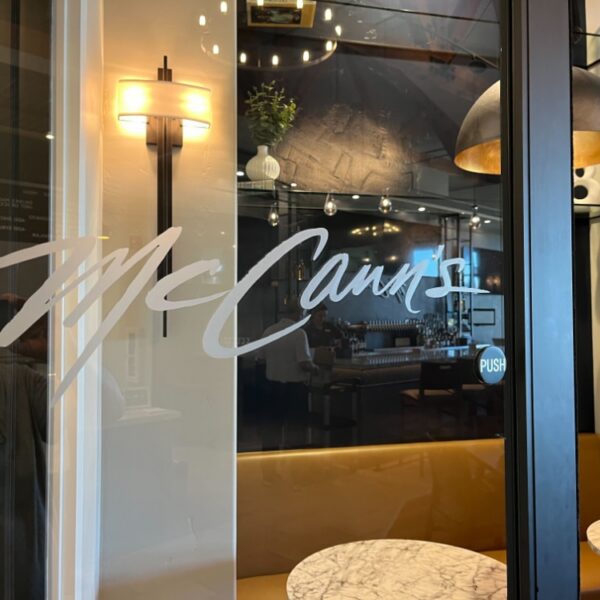
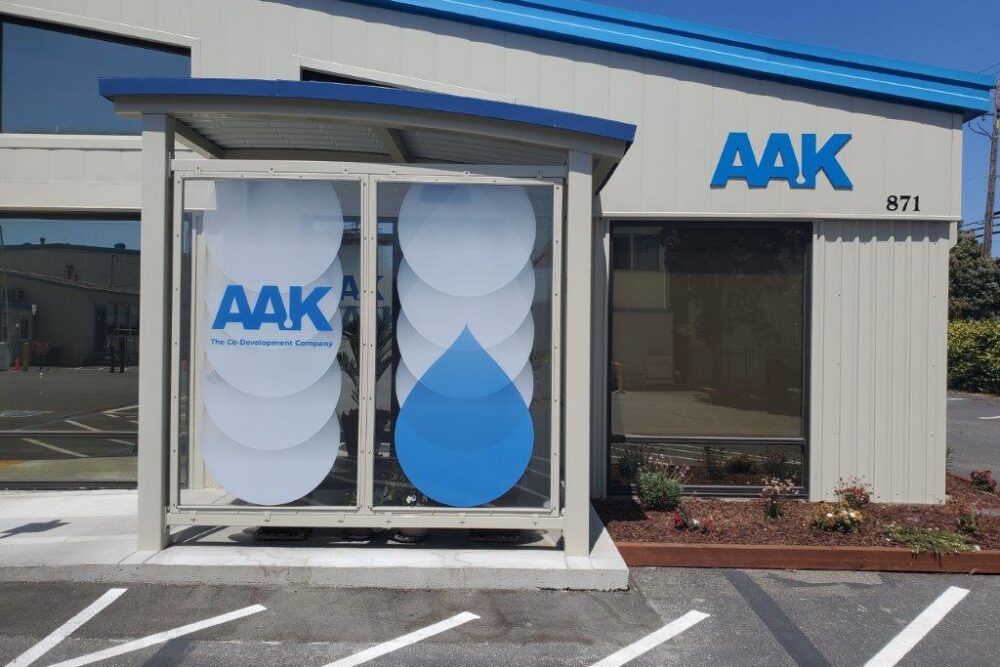
Window graphics serve multiple purposes: reinforcing branding, communicating hours or promotions, and adding visual interest to a facade without requiring permanent mounting. They are also a practical option in leased spaces where structural modifications are limited.
Design and Material Considerations
Good storefront signage is not just about size or brightness. It is about legibility, proportion, material quality, and how the sign interacts with the building it lives on.
Letter sizing matters more than most people expect. Signage guidance commonly references the relationship between letter height and readable distance, which means a sign that looks bold in a mockup can still underperform if the letter scale does not match real viewing conditions from the sidewalk or street. The relationship between contrast, font weight, and background also affects how quickly a sign reads at a glance.
Material selection has both aesthetic and practical implications. Aluminum, acrylic, and painted steel each offer different durability profiles and finishing options. For illuminated signs, the LED components, electrical housing, and connections need to be sized and sealed for outdoor use. Bay Area coastal and urban environments introduce humidity, salt air, and temperature variation that can affect sign longevity over time. Choosing the right materials upfront reduces maintenance issues and extends the effective life of the installation. For most Bay Area properties, storefront signage also involves permit coordination with the city, and in some cases landlord approval as part of lease requirements. Getting those steps right early prevents delays and avoids costly rework later.
Our Process for Storefront Signage Projects
At BLR, we treat every storefront signage project as a collaboration between your brand goals and the real constraints of your building, block, and business. Our process is built around getting the details right before anything goes into fabrication.
Discovery & Site Review
We evaluate the building facade, lease conditions, foot traffic patterns, viewing angles, and any landlord or city requirements that apply.
Concept Development
We develop a design direction that reflects your brand, works with the architecture of your space, and is calibrated for how customers will actually encounter it.
Permitting and Approvals
We help prepare and coordinate the documentation needed for city permits and, where applicable, landlord sign package submissions.
Fabrication
Letters, cabinets, panels, and electrical components are fabricated to specification and prepared for clean, lasting outdoor installation.
Installation
We handle the full installation, including mounting, electrical connections, alignment, and final cleanup so the sign looks the way it was designed to.
Bay Area cities vary significantly in their signage codes. Some jurisdictions have detailed standards around illumination, projection, square footage, and placement. Working with a team that knows how to navigate those requirements makes a real difference in how smoothly a project moves from approval to installation.
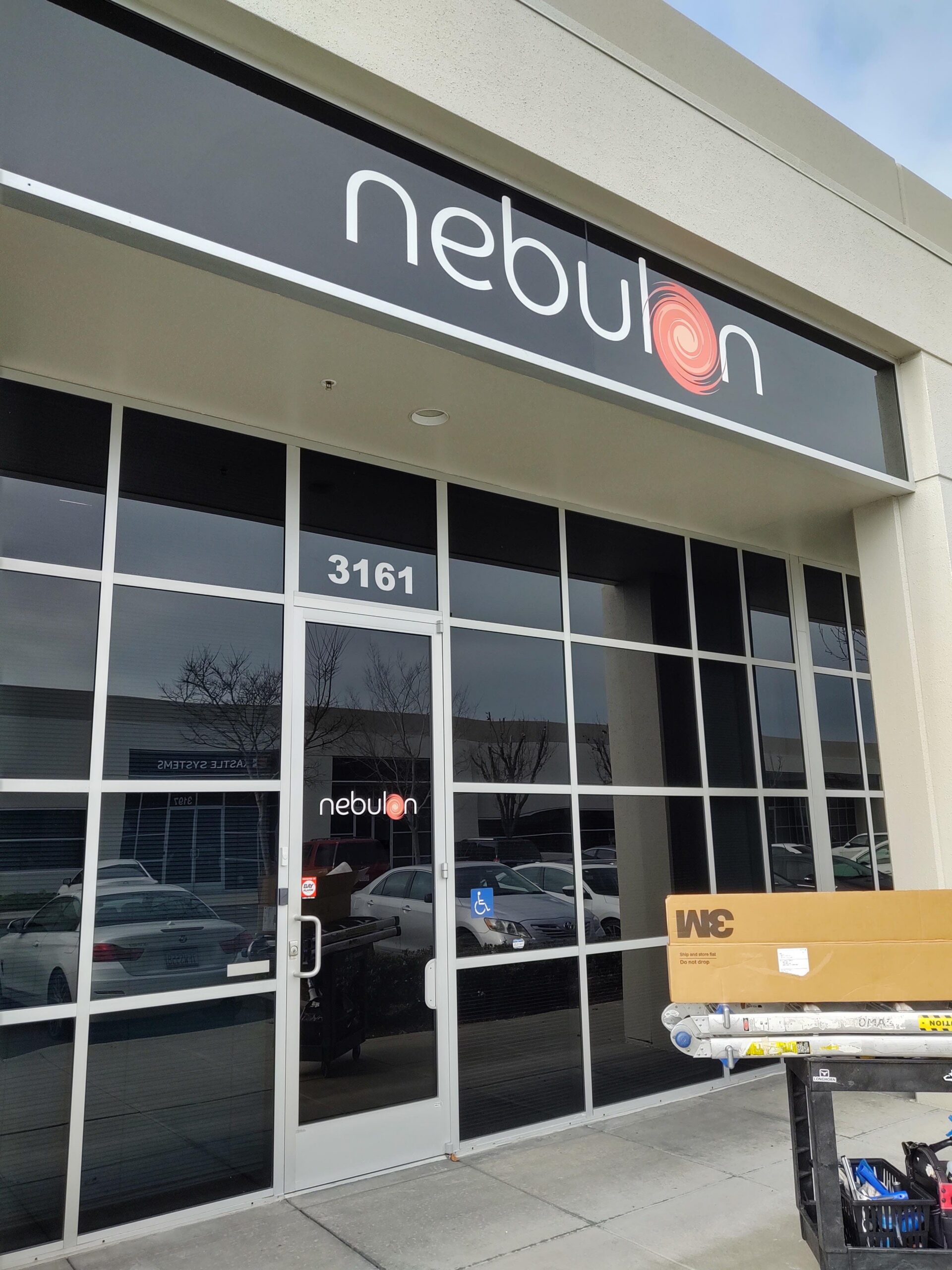
Why Storefront Signage Matters for Your Business
Storefront signage does something that most other marketing cannot: it works on the people who are already nearby and almost ready to act. A well-designed sign converts ambient foot and vehicle traffic into actual visits. Research shows that roughly 8 in 10 Americans say signs influence their decision to walk into a store, and nearly 7 in 10 report making a purchase because a sign caught their attention at the right moment.
Studies have found that a significant share of consumers would not visit a business that lacked clear exterior signage, and many associate sign quality directly with the quality of the business itself.
Why Choose BLR for Storefront Signage?
BLR Visual Communications brings together design, fabrication, and installation under one roof. We work with businesses that need their storefront signage to hold up to real-world expectations, not just look polished on a screen.
Custom to your brand
We design for your specific business, building, and block, not a generic template
Built for the Bay Area
We understand local permitting, coastal conditions, and the density of competition in Bay Area commercial environments
Material quality that lasts
We specify materials that hold up to outdoor exposure, not just look good at install
Permit coordination included
We handle the documentation and approvals process so you are not navigating it alone
End-to-end execution
From the first concept to the final installation, we manage each phase so nothing gets dropped
If your storefront is not doing the job it should, BLR can help you fix that.
Let’s Build Storefront Signage That Works for You