What Is DOOH and How It Fits Into Modern Signage Strategy
What Is DOOH and How It Fits Into Modern Signage Strategy
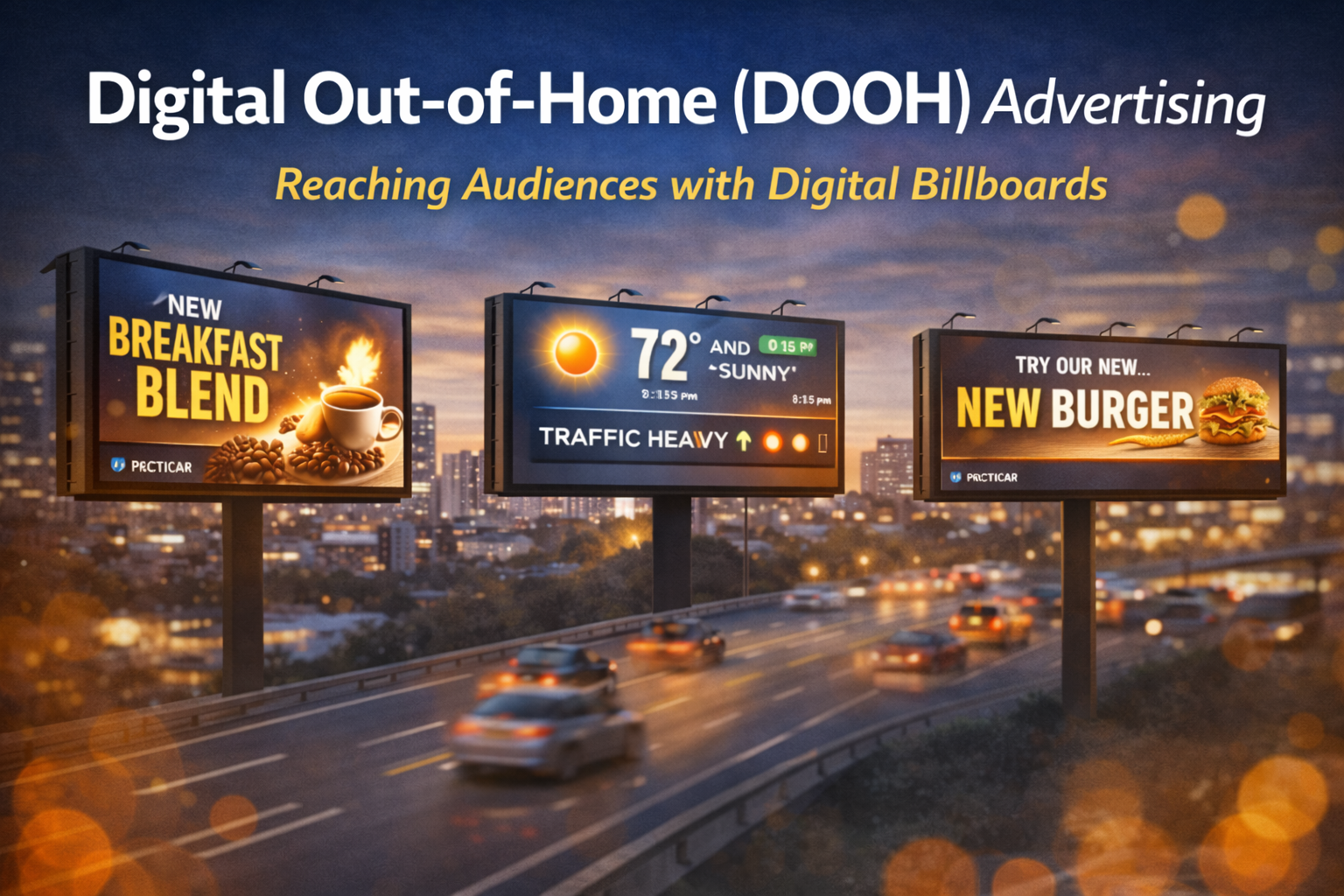
Digital Out-of-Home advertising, also known as DOOH, is advertising delivered through digital screens in public and shared environments. It reaches people while they are moving through the world, commuting, shopping, traveling, or spending time in spaces designed for work, entertainment, or daily errands.
DOOH works best when it is treated like part of the environment. The most effective campaigns feel relevant to where people are and what they are doing, not simply placed in front of them.
What Is DOOH Advertising
DOOH is the digital version of traditional out-of-home advertising. Out-of-home advertising, often shortened to OOH, includes any visual advertising outside the home. DOOH uses screens that can be updated, scheduled, and adapted more easily than printed formats.
A simple way to understand the difference is to think of a billboard that can change its message the way a website changes content. Traditional OOH stays fixed until it is replaced. DOOH can change based on time, location, and campaign needs.
Where You See DOOH in Real Life
Most people encounter DOOH without thinking about it. It shows up in places where attention naturally shifts to signs and screens.
Digital Billboards
Digital billboards are the large-format screens commonly found along highways and major roads. They are designed for high visibility and broad reach, especially during commutes and peak traffic times.
Street Furniture
Street furniture includes digital screens on bus shelters, kiosks, benches, and other city structures. These placements are often seen at pedestrian pace, which opens up opportunities for longer viewing and more detailed messaging.
Transit Environments
Transit DOOH appears across buses, trains, stations, and rideshare zones. The audience is often in motion, but predictable. That makes timing and placement important, especially at platforms, entries, exits, and waiting areas.
Place-Based Digital Screens
Place-based DOOH includes screens inside shared environments like airports, elevators, office building lobbies, gyms, shopping malls, and waiting rooms. These are moments where people are already paused, waiting, or transitioning between destinations.
Why DOOH Works Alongside Digital Marketing
DOOH is not a replacement for online marketing. It supports awareness and visibility in physical environments where people are not scrolling, clicking, or searching. When people see a brand in a real-world setting, it often reinforces recognition later when they encounter that brand online.
DOOH also reaches people without requiring them to opt in. There is no subscription, no algorithm, and no app to open. The message exists in the environment, which makes placement and context a key part of the strategy.
DOOH as Real-Time, Contextual Communication
One of the strengths of DOOH is its ability to deliver timely information. Because content can be scheduled and updated, DOOH can support messaging that changes based on the moment. This can include seasonal campaigns, event messaging, time-based promotions, or location-specific communication.
A good way to think about DOOH is like a digital bulletin board in the public world. The message can shift based on when people are present and what they need to know. When that message aligns with the environment, it feels useful rather than intrusive.
DOOH vs On-Premise Digital Signage
DOOH and on-premise digital signage both use screens, but their roles are different.
- DOOH is designed to reach people in public or shared environments where the message is typically advertising-focused.
- On-premise digital signage is used inside a specific business or facility to support communication, experience, wayfinding, or brand presence within that space.
Understanding the difference matters because the planning is different. DOOH strategy often revolves around reach, placement, and timing across a network. On-premise signage focuses on the experience inside a specific environment and how people move through it.
How DOOH Fits Into the Built Environment
DOOH performs best when it respects the space it lives in. Screens should feel like they belong in the environment, whether they are integrated into a streetscape, a transit hub, or a building interior. This is where the relationship between DOOH, architectural signage, and wayfinding becomes important.
When environments are thoughtfully designed, messaging becomes easier to absorb. People understand where they are, where they are going, and what is happening around them. DOOH can support that experience when it is placed intentionally and aligned with the visual language of the space.
Planning DOOH With Intent
The most effective DOOH starts with a few clear questions:
- Who is the audience in this environment
- What moment are they in when they see the screen
- What is realistic to communicate in that amount of time
- How should messaging shift across time of day, season, or location
DOOH works best when it is treated as part of a larger communication system. When messaging is planned with context and timing, it becomes easier to understand and more likely to be remembered.
Next Steps
If you are evaluating digital communication in public environments or exploring how DOOH fits into a broader signage strategy, it helps to start with a clear framework.
Read Digital Signage Strategy for experience-focused planning, explore Wayfinding Design for navigation in complex spaces, or Contact the BLR team to discuss a signage approach aligned with the environment.