Pylon Signs vs. Monument Signs: How to Choose the Right One for Your Business
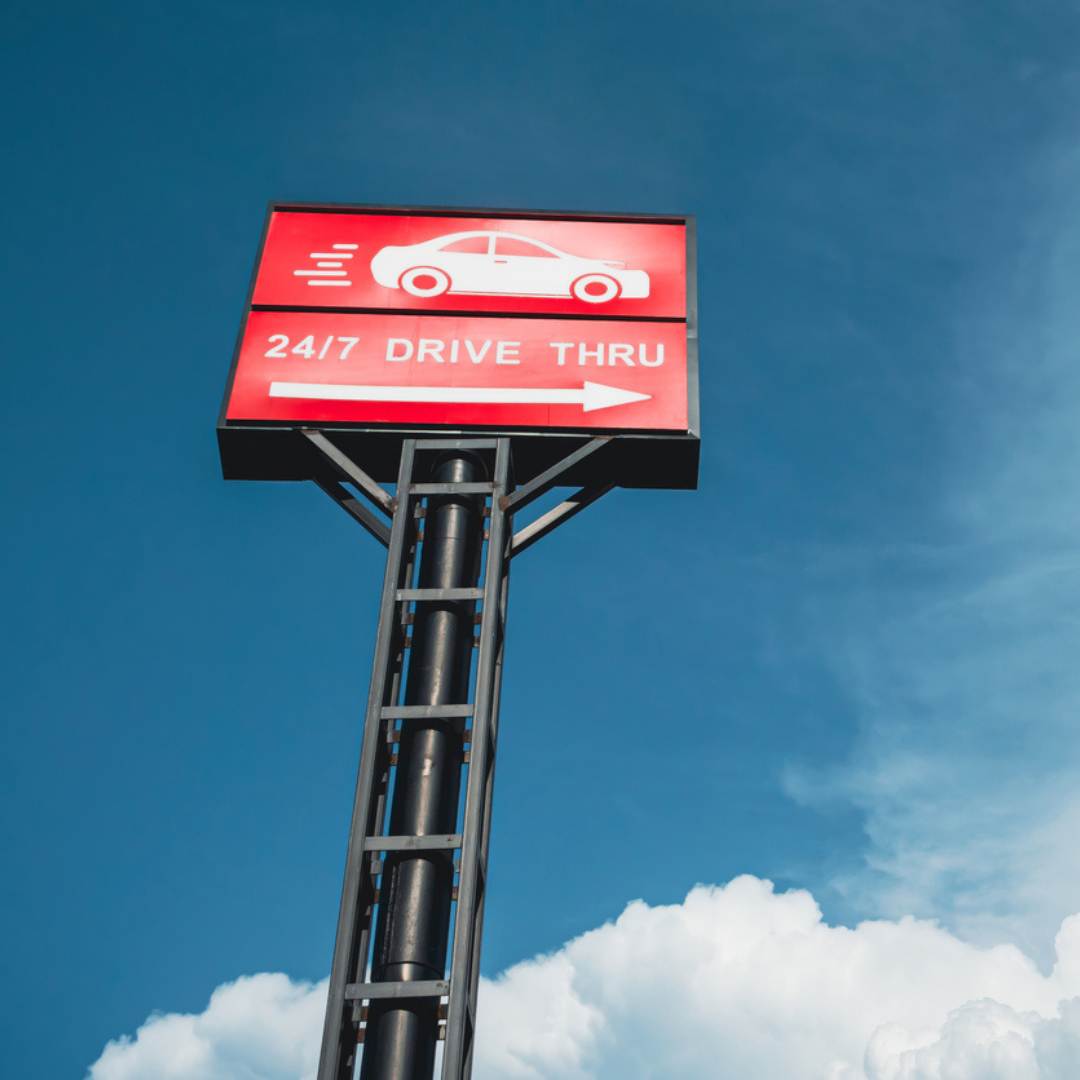
Pylon Signs vs. Monument Signs: How to Choose the Right One for Your Business
If your business needs more visibility — the kind that grabs attention from blocks away or across a busy roadway — you’ve probably narrowed your search down to two major contenders: pylon signs and monument signs.
Both are powerful, both elevate your brand’s presence, and both make a statement on your property. But they serve very different purposes, especially in the Bay Area where visibility, traffic patterns, and sign codes vary widely from city to city.
This guide breaks down the core differences, when to choose each one, cost considerations, permitting notes, and real-world examples to help you make the right decision.
What Is a Pylon Sign?
A pylon sign, sometimes called a pole sign, is a tall, elevated sign structure mounted on one or two poles. These signs are designed for maximum distance visibility, making them ideal for locations near:
- Multi-lane roadways
- High-speed traffic corridors
- Intersections with limited view
- Commercial lots set far back from the street
- Retail centers competing for attention
Height can range from 20–80 feet depending on city regulations, giving pylon signs the advantage in areas where your building or storefront isn’t instantly visible.
Common uses include:
- Gas stations
- Shopping centers
- Auto dealerships
- Business parks
- Fast-food restaurants
- Hotels
In short: if you need reach, pylon signs do the heavy lifting.
What Is a Monument Sign?
A monument sign is a ground-level architectural structure made from materials like stone, stucco, aluminum, metal, brick, or high-density foam. These sit low and blend with the landscape to create a sleek, professional entrance experience.
Monument signs work best when your property benefits from close-range visibility, such as:
- Office buildings
- Medical centers
- Schools
- Municipal buildings
- Corporate campuses
- Suburban retail centers
They’re high-end, durable, and typically placed at eye level. Monument signs can be static (dimensional letters or routed panels) or digital (LED displays).
Pylon Signs vs. Monument Signs: Core Differences
Pylon Signs
- Tall height (20–80 ft)
- Maximum visibility from long distance
- Designed for high-speed traffic
- Often illuminated
- Ideal for multi-tenant centers
- Can incorporate LED message boards
- Utilitarian and visibility-driven
Monument Signs
- Ground-level placement
- Architectural and design-driven
- Ideal for entrances and campuses
- Available as static or digital
- Integrates into landscaping
- High-end, permanent aesthetic
- Focused more on brand presentation than height
When You Should Choose a Pylon Sign
1. Your Business Needs Long-Distance Visibility
Pylon signs are the best choice for businesses located far from the street or blocked by other buildings. They provide visibility from much farther away.
2. You’re Near a Busy Roadway
In places like San Jose, Santa Clara, or Fremont — where drivers move quickly — sign height matters. A tall structure dramatically increases awareness.
3. You Manage a Multi-Tenant Property
Retail centers almost always rely on pylon signs to showcase multiple tenants at once.
4. You Compete With Other Tall Signage
If nearby businesses also use tall signage, you’ll want to match their height to stand out.
5. You Want LED or Changeable Messaging
Pylon signs often incorporate digital reader boards to display promotions, tenant changes, or announcements.
When You Should Choose a Monument Sign
1. You Want a Modern, Architectural Entrance
Monument signs enhance curb appeal and reinforce brand identity.
2. Your Building Is Already Easy to See
If your building is close to the road or naturally visible, a monument sign will make a better architectural impact.
3. Your City Has Height Restrictions
Cities like Palo Alto and Mountain View often have strict height limits. Monument signs comply with those constraints.
4. You Want Digital Messaging Without Excessive Height
A digital monument sign offers dynamic content at eye level without requiring a tall structure.
Cost Considerations: Pylon vs. Monument Signs
Pricing varies based on height, materials, engineering, LED components, and permitting, but here’s the general breakdown:
Pylon Signs
- More expensive due to height and steel structure
- Requires foundation work and crane installation
- Higher permitting complexity
- Best for long-distance visibility
Monument Signs
- More cost-efficient on average
- Wide range of architectural designs
- Lower engineering demands
- Excellent for close-to-medium range visibility
Permitting & Code Requirements in the Bay Area
Every city has different rules, but common requirements include:
- Maximum allowed sign height
- Setback distance
- Foundation and wind-load requirements
- LED brightness limits
- Message duration rules
- Material and construction standards
- Electrical and access requirements
Pylon signs generally require more regulatory review due to their height and visibility impact.
Which One Is Right for You?
Choose a Pylon Sign if you need:
- Long-distance visibility
- High-speed traffic exposure
- A tall landmark structure
- Visibility for multiple tenants
- LED messaging at height
Choose a Monument Sign if you need:
- A sleek, architectural entrance
- Close-range visibility
- Brand-focused aesthetics
- Compliance with stricter city codes
- A digital display at eye level
Still unsure? The right choice depends on your location, city regulations, traffic flow, and how far your building sits from the street.
Need Help Choosing the Right Sign?
BLR Visual Communications has over 45 years of experience designing, fabricating, and installing custom signage across the Bay Area. From pylon signs and digital monument signs to wayfinding systems, architectural branding, and digital signage networks — we help businesses make a lasting impression.
If you want more visibility, a stronger brand presence, or help navigating city codes and permitting, our team is here to help.